
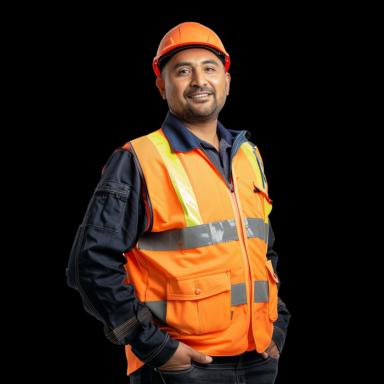
Work Health and Safety


Work Health and Safety (WHS) staff keep people safe on the job, from building sites to busy offices. The Safe Work Australia Act 2008 set up one national body. Government, industry and unions now work as a team to cut injuries and deaths at work. Jobs and Skills Australia data (2026) puts the number of safety advisers in Australia at around 20,600. Most work full-time, mainly in public sector jobs, building and health care.
Most people start a WHS career with formal training. The Certificate IV in Work Health and Safety is a national course listed on training.gov.au and sets graduates up for their first safety officer role. Staff who want to move into management can then study the Diploma of Work Health and Safety. It covers audits, incident checks and safety leadership, and suits career changers as well as school leavers.
Mental health now sits next to physical safety as a core part of the job. More employers ask WHS staff to watch for stress, fatigue and bullying, not just falls and machine risks. Eligible students can use government-funded training places for some WHS courses, which cuts the cost of getting started.
As safety rules get tighter and staff wellbeing gets more focus, skilled WHS workers stay in strong demand across building sites, hospitals and government offices. It suits anyone who wants hands-on work that keeps people safe.
FAQs
Which WHS qualifications are nationally recognised?
National options include the Certificate IV in Work Health and Safety and the Diploma of Work Health and Safety. Both are widely accepted by Australian bosses.
How long does it take to complete a WHS course?
A Certificate IV usually takes six to twelve months. A diploma takes twelve to eighteen months, and you can often study part-time or online.
Can I become a WHS officer with a Certificate IV?
Yes. The Certificate IV is the base level needed for most entry roles. It teaches you to run safety systems, spot risks and support day-to-day checks.
Are WHS professionals required in all industries?
WHS roles exist in building, health care, factories and public sector work. Jobs and Skills Australia data (2026) show these industries employ the most safety advisers.
What’s the difference between a WHS certificate and a diploma?
A certificate sets you up for frontline and support roles. A diploma teaches you to run whole safety systems and lead a team, which suits managers and senior advisers.
Where can a career in work health and safety take you?
A career in work health and safety can lead to real jobs you'll enjoy. Here are some roles you could pursue.







CourseFinder helps you discover and enroll in top courses from Australia’s leading providers, making it easy to kick-start or continue your career journey.
Follow Us


© 2026 CourseFinder Australia Pty Ltd, All Rights Reserved