How to Become a Health Safety & Environment Coordinator: Australian Careers in Work Health and Safety
1 Course

On this page
What is a Health Safety & Environment Coordinator?
What will I do?
What skills do I need?
Resources
What is a Health Safety & Environment Coordinator?
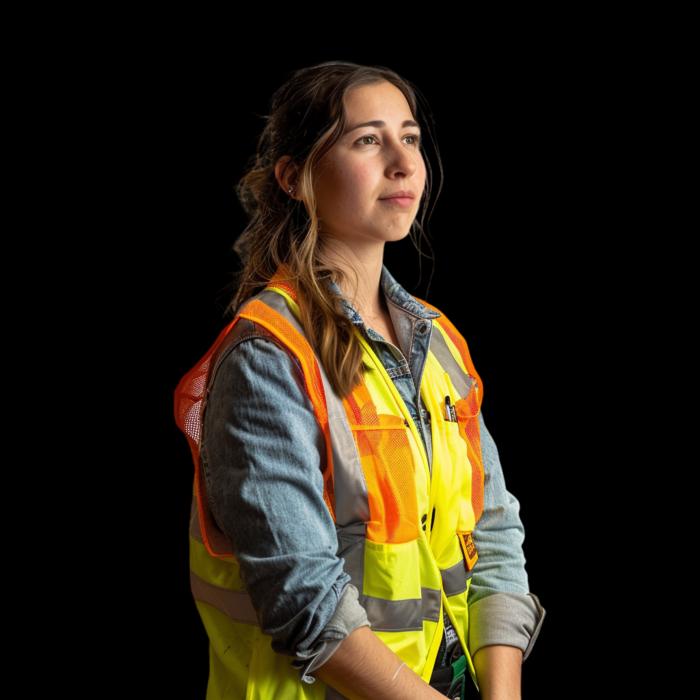
A Health Safety & Environment (HSE) Coordinator keeps workplaces safe and helps businesses meet their legal duties. They write safety policies, run risk checks, and train staff on safe work methods. This role is vital across industries such as construction, mining, manufacturing, and healthcare.
HSE Coordinators check workplaces for hazards and put controls in place to reduce risk. They prepare safety reports and keep records of incidents and near-misses. They also liaise with state safety bodies such as SafeWork NSW and WorkSafe Victoria.
Training employees is a core part of this job. Coordinators show staff how to use personal protective equipment and follow safe work methods. They also run emergency drills and review responses after any workplace incident.
The role suits people who are organised, calm under pressure, and good at communication. As businesses face tighter safety rules, the demand for HSE Coordinators is growing. It is a career with real impact and strong long-term prospects across Australia.

Career snapshots For Health Safety & Environment Coordinators
What will I do?
What skills do I need?
A successful HSE Coordinator needs a mix of technical knowledge and people skills. On the technical side, they must know Australian WHS laws, risk control methods, and environmental rules. Strong thinking skills help them spot hazards, assess risks, and find practical fixes.
Communication is just as important as technical knowledge. Coordinators need to explain complex safety rules to workers at all levels. They also write clear reports and share findings with management. Problem-solving and attention to detail round out the key skills for this role.
Skills/attributes
Resources
CourseFinder makes every effort to ensure the information we provide is correct at the time of publication. We welcome your input to help keep our career profiles as accurate and up to date as possible. All queries and feedback will be taken into consideration as we conduct periodic reviews of our content. Add your voice to the conversation!





About the author

Laura Atkinson is an Account Management and SEM specialist at Course Finder Group with six years' experience in the Australian education sector. She works day to day with universities, TAFEs and independent training providers, which gives her a close view of how courses map to real career outcomes. She writes practical guidance on career pathways, choosing the right qualification and what to expect when moving into a new field.

CourseFinder helps you discover and enroll in top courses from Australia’s leading providers, making it easy to kick-start or continue your career journey.
Follow Us


© 2026 CourseFinder Australia Pty Ltd, All Rights Reserved