How to Become a Safety Inspector: Australian Careers in Work Health and Safety
0 Course

On this page
What is a Safety Inspector?
What will I do?
What skills do I need?
Resources
What is a Safety Inspector?
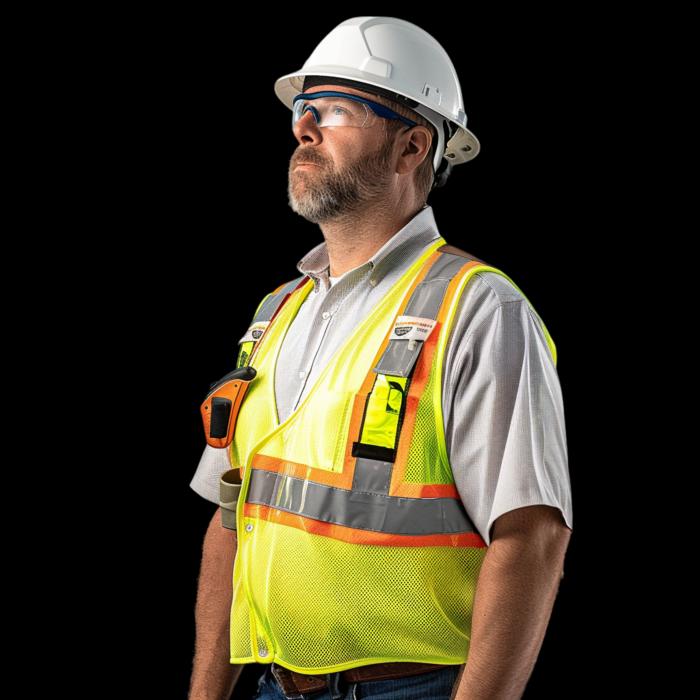
A Safety Inspector checks that workplaces, equipment and public spaces meet Australian government and industry safety standards. They work across construction, manufacturing, mining and healthcare. Their inspections protect workers and the public from harm. Employers in most industries must meet work health and safety (WHS) obligations by law.
Day to day, Safety Inspectors examine equipment, observe work practices and review safety records. They test work areas for hazards such as toxic fumes and combustible materials. They write reports on what they find and suggest how to fix any problems. Many also run safety training sessions for staff.
Safety Inspectors work closely with managers and employees. They help teams understand WHS laws and build strong safety cultures. This often involves investigating accidents to find their causes and stop them from happening again. Good communication skills matter as much as technical knowledge in this role.
Roles exist across construction, mining, government, healthcare and professional services. The work is both practical and people-focused. It suits people who like solving problems and working in different environments. With growing attention to workplace safety across all industries, demand for skilled Safety Inspectors remains steady in Australia.

Career snapshots For Safety Inspectors
What will I do?
What skills do I need?
A Safety Inspector needs both technical knowledge and strong people skills to do the job well. They must understand Australian WHS legislation and know how to run risk assessments. They also need to read and write clear inspection reports. Good attention to detail helps them spot hazards that others might miss.
Problem-solving is key. Safety Inspectors often need to find practical fixes for safety issues on the spot. They work with many different teams, so the ability to communicate clearly is vital. Staying up to date with changing safety laws and standards is also a core part of the role.
Skills/attributes
Resources
NATIONAL
VIC
WA
NT
ACT
- Safe Work Australia — national WHS policy and standards
- Australian Institute of Health and Safety (AIHS) — professional body for WHS practitioners
- Your Career — Safety Inspector occupation profile
- NSCA Foundation — safety professional development and events
- Jobs and Skills Australia — Safety Inspectors occupation data
CourseFinder makes every effort to ensure the information we provide is correct at the time of publication. We welcome your input to help keep our career profiles as accurate and up to date as possible. All queries and feedback will be taken into consideration as we conduct periodic reviews of our content. Add your voice to the conversation!






About the author

Laura Atkinson is an Account Management and SEM specialist at Course Finder Group with six years' experience in the Australian education sector. She works day to day with universities, TAFEs and independent training providers, which gives her a close view of how courses map to real career outcomes. She writes practical guidance on career pathways, choosing the right qualification and what to expect when moving into a new field.

CourseFinder helps you discover and enroll in top courses from Australia’s leading providers, making it easy to kick-start or continue your career journey.
Follow Us


© 2026 CourseFinder Australia Pty Ltd, All Rights Reserved