CourseFinder helps you discover and enroll in top courses from Australia’s leading providers, making it easy to kick-start or continue your career journey.
Follow Us
© 2026 CourseFinder Australia Pty Ltd, All Rights Reserved
CourseFinder helps you discover and enroll in top courses from Australia’s leading providers, making it easy to kick-start or continue your career journey.
Follow Us


© 2026 CourseFinder Australia Pty Ltd, All Rights Reserved

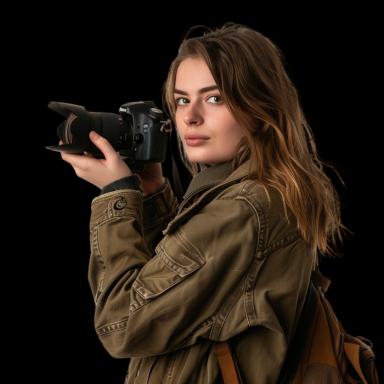
Photography and Film


Photography and film cover a lot of ground in Australia. The industry spans wedding photography, commercial shoots, documentaries and feature films. It also covers a growing stream of video content for brands. Local production spend hit $2.7 billion in 2024-25, according to Screen Australia. That is a 43% jump on the year before.
Most people start with a nationally recognised course listed on training.gov.au. A diploma in photography and photo imaging is one common path. A diploma in screen and media is another. These courses teach camera work, lighting and editing software. They also cover the business side of freelance or studio work. Many providers let you study part-time or online.
Once qualified, graduates take on a wide range of jobs. Photographers often work freelance, covering weddings, fashion shoots and real estate. Film graduates move into camera work, editing or content creation for brands. Craft groups such as the Australian Cinematographers Society support people at every stage, from students through to feature film crews.
Course costs can be a barrier for some learners. It is worth checking whether you qualify for a government-funded course before you commit to full fee-paying study. Demand for visual content keeps growing across advertising, real estate and ecommerce. The skills you build in this industry can open doors well beyond one job title.
Graduates commonly work as freelance photographers, videographers, camera operators, editors or content creators. Many find roles in weddings, advertising, fashion, real estate or in-house content teams for larger brands.
Many providers offer nationally recognised qualifications listed on training.gov.au, such as a diploma in photography and photo imaging or in screen and media.
Courses typically range from six-month certificates to two-year diplomas. Many providers let you study part-time or online to fit around work or other commitments.
Usually not. Beginner courses are built to help you create a portfolio from scratch. Advanced diplomas or industry placements may ask to see a sample of previous work.
Yes. Visual storytelling is in demand across real estate, events, corporate marketing, ecommerce and journalism. Strong media skills can also support freelance or consulting work.
A career in photography and film can lead to real jobs you'll enjoy. Here are some roles you could pursue.