How to Become a Personal Trainer: Australian Careers in Fitness
6 Courses

On this page
What is a Personal Trainer?
What will I do?
What skills do I need?
Resources
What is a Personal Trainer?
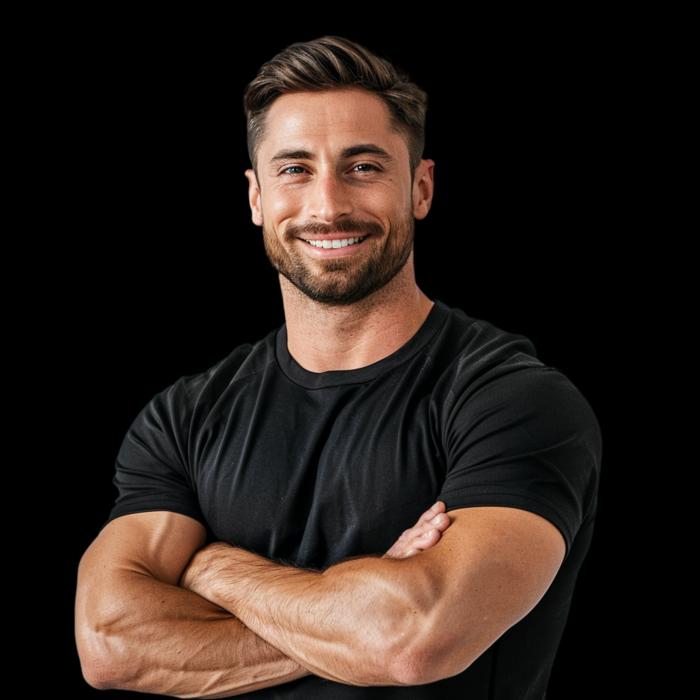
A personal trainer helps clients reach their fitness goals through tailored programs and ongoing support. They work one-on-one or with small groups, designing workouts to suit each person’s needs, ability, and lifestyle. This career blends fitness knowledge with strong people skills to create lasting, positive change.
Personal trainers check each client’s fitness level and set realistic goals. They design training plans, teach proper exercise technique, and adjust programs as clients progress. They also offer guidance on nutrition and healthy habits to support each client’s overall health.
Day-to-day tasks include leading training sessions, tracking client progress, and managing bookings. Many trainers handle their own marketing and scheduling, especially if they work independently. Keeping clients motivated and engaged is a key part of the role.
The fitness industry continues to grow as more Australians focus on health and wellness. Personal trainers can work in gyms, health clubs, fitness studios, or as independent contractors. This flexibility makes it a popular career choice for those who want variety and purpose in their work.

Career snapshots For Personal Trainers
What will I do?
What skills do I need?
A good personal trainer needs a strong mix of fitness knowledge and people skills. They must know exercise science, program design, and basic nutrition to create effective training plans. Strong communication is just as vital, as trainers spend most of their time working directly with clients.
Trainers also need to stay up to date with the latest research and industry trends. Good time management helps them handle multiple clients, track progress, and keep sessions running on time. A genuine passion for health and a drive to keep learning are what set great trainers apart.
Skills/attributes
Resources
CourseFinder makes every effort to ensure the information we provide is correct at the time of publication. We welcome your input to help keep our career profiles as accurate and up to date as possible. All queries and feedback will be taken into consideration as we conduct periodic reviews of our content. Add your voice to the conversation!




About the author

Laura Atkinson is an Account Management and SEM specialist at Course Finder Group with six years' experience in the Australian education sector. She works day to day with universities, TAFEs and independent training providers, which gives her a close view of how courses map to real career outcomes. She writes practical guidance on career pathways, choosing the right qualification and what to expect when moving into a new field.

CourseFinder helps you discover and enroll in top courses from Australia’s leading providers, making it easy to kick-start or continue your career journey.
Follow Us


© 2026 CourseFinder Australia Pty Ltd, All Rights Reserved