CourseFinder helps you discover and enroll in top courses from Australia’s leading providers, making it easy to kick-start or continue your career journey.
Follow Us
© 2026 CourseFinder Australia Pty Ltd, All Rights Reserved
CourseFinder helps you discover and enroll in top courses from Australia’s leading providers, making it easy to kick-start or continue your career journey.
Follow Us


© 2026 CourseFinder Australia Pty Ltd, All Rights Reserved


On this page
What is a Fitness Instructor?
What will I do?
What skills do I need?
Resources
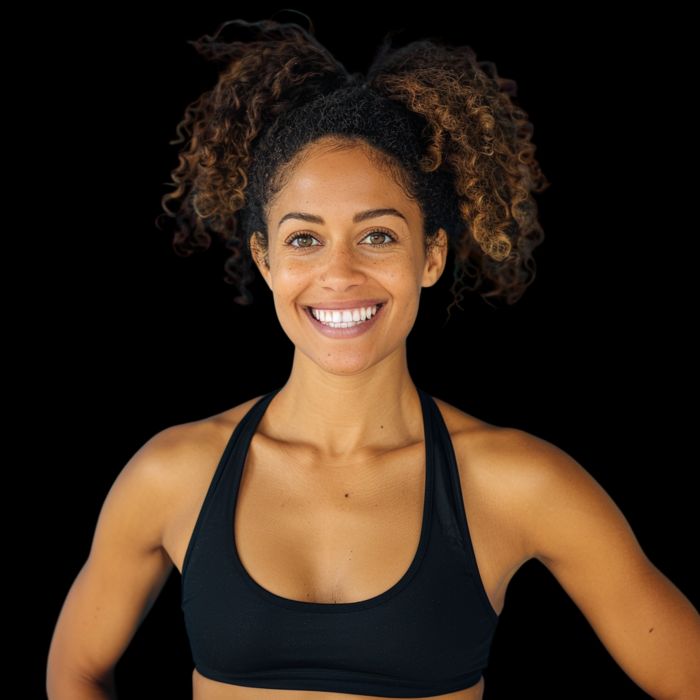
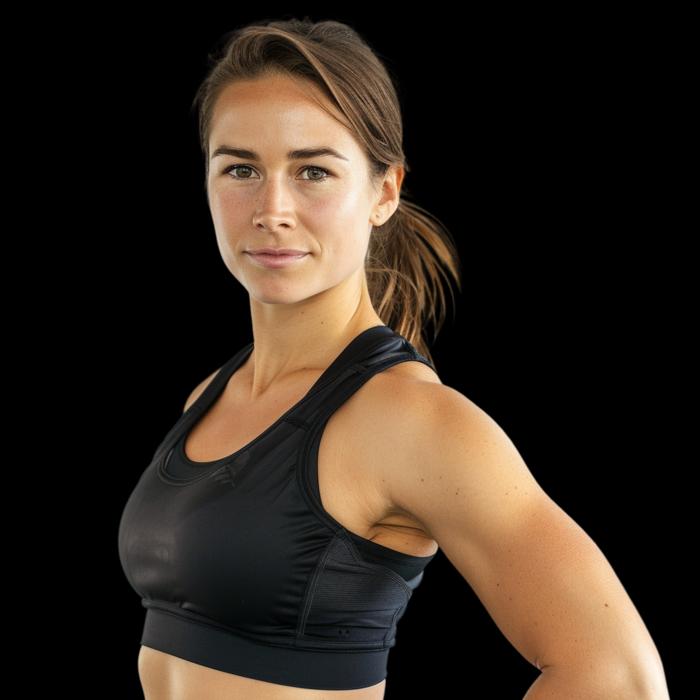
A Fitness Instructor guides people through exercise to improve their health and wellbeing. They design fitness programs, lead group classes, and support clients at every step. Instructors work in gyms, leisure centres, community halls, and outdoor spaces across Australia.
Day to day, a Fitness Instructor checks clients’ fitness levels and creates custom workout plans. They lead group sessions and one-on-one training. They teach correct technique to prevent injuries and keep workouts safe.
Fitness Instructors also act as teachers and coaches. They share tips on nutrition, injury prevention, and healthy habits. They often work with health professionals to build programs that match clients’ wellness goals.
Demand for Fitness Instructors in Australia is strong and growing. Jobs and Skills Australia (2025) shows around 35,900 people work in this role. Annual growth runs at around 400 new positions each year. It is a great career for anyone who loves fitness and wants to help others live better lives.

Fitness Instructors need a mix of technical know-how and people skills. At the core, they must know exercise science, basic nutrition, and safe training methods. This lets them design programs for different fitness levels, ages, and goals.
Strong communication is just as key as fitness know-how. Instructors need to motivate clients, explain moves clearly, and build good working relationships. Customer service skills help them keep clients engaged and coming back. A current First Aid and CPR cert is a must in most workplaces.
CourseFinder makes every effort to ensure the information we provide is correct at the time of publication. We welcome your input to help keep our career profiles as accurate and up to date as possible. All queries and feedback will be taken into consideration as we conduct periodic reviews of our content. Add your voice to the conversation!
Laura Atkinson is an Account Management and SEM specialist at Course Finder Group with six years' experience in the Australian education sector. She works day to day with universities, TAFEs and independent training providers, which gives her a close view of how courses map to real career outcomes. She writes practical guidance on career pathways, choosing the right qualification and what to expect when moving into a new field.