CourseFinder helps you discover and enroll in top courses from Australia’s leading providers, making it easy to kick-start or continue your career journey.
Follow Us
© 2026 CourseFinder Australia Pty Ltd, All Rights Reserved
CourseFinder helps you discover and enroll in top courses from Australia’s leading providers, making it easy to kick-start or continue your career journey.
Follow Us


© 2026 CourseFinder Australia Pty Ltd, All Rights Reserved



On this page
What is a Veterinary Surgeon?
What will I do?
What skills do I need?
Resources
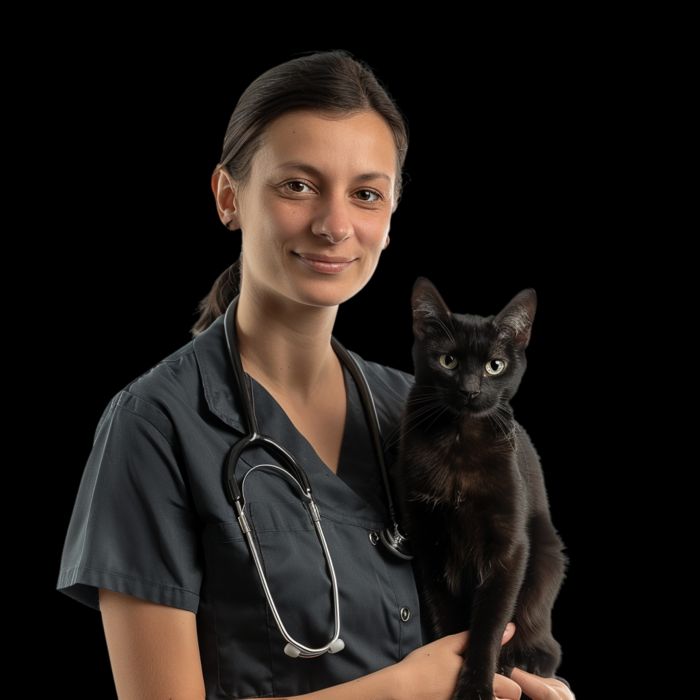
The career of a Veterinary Surgeon is both rewarding and impactful, offering professionals the opportunity to make a significant difference in the lives of animals and their owners. Veterinary Surgeons are highly trained medical professionals who specialise in diagnosing and treating a wide range of health issues in animals. They perform surgeries, administer medications, and provide preventive care, ensuring that pets, livestock, and other animals receive the best possible health care. This role is not only about treating injuries and illnesses but also involves educating pet owners on proper animal care and health management.
Veterinary Surgeons have a diverse set of responsibilities that encompass various aspects of animal health. They conduct thorough examinations to assess the health of animals, interpret diagnostic tests, and develop treatment plans tailored to each patient. Surgical procedures can range from routine spaying and neutering to complex operations requiring advanced skills and techniques. Additionally, they must stay updated on the latest veterinary practices and advancements in medicine to provide the highest standard of care. This commitment to ongoing education is essential in a field that is constantly evolving.
Common tasks for Veterinary Surgeons include performing surgeries, administering anaesthesia, and monitoring patients during recovery. They also engage in client consultations, where they discuss treatment options, preventive care, and post-operative care with pet owners. The role often requires collaboration with veterinary nurses and other support staff to ensure a smooth workflow in the clinic or hospital setting. This teamwork is vital for creating a supportive environment for both the animals and their human companions.
Overall, a career as a Veterinary Surgeon is not only about medical expertise but also about compassion and dedication to animal welfare. The joy of helping animals recover from illness or injury, coupled with the opportunity to educate and support pet owners, makes this profession incredibly fulfilling. For those who are passionate about animal health and well-being, becoming a Veterinary Surgeon offers a meaningful and dynamic career path.

A career as a Veterinary Surgeon requires a unique blend of skills that encompass both medical expertise and compassionate care. Firstly, a strong foundation in veterinary medicine is essential, which is typically acquired through a Bachelor of Veterinary Science or equivalent degree. This educational background equips aspiring surgeons with the knowledge of animal anatomy, physiology, and pathology. Additionally, hands-on experience gained through internships and residencies is crucial, as it allows them to refine their surgical techniques and diagnostic abilities in real-world settings.
Beyond technical skills, effective communication is vital for Veterinary Surgeons. They must be able to explain complex medical conditions and treatment options to pet owners, ensuring that clients feel informed and supported in their decisions. Furthermore, strong problem-solving skills are necessary to assess and address a variety of medical issues that may arise during practice. Lastly, a genuine passion for animal welfare and a commitment to ongoing professional development are key traits that help Veterinary Surgeons excel in their field, enabling them to provide the highest standard of care to their patients.
CourseFinder makes every effort to ensure the information we provide is correct at the time of publication. We welcome your input to help keep our career profiles as accurate and up to date as possible. All queries and feedback will be taken into consideration as we conduct periodic reviews of our content. Add your voice to the conversation!