How to Become a Road Construction Worker: Australian Careers in Building and Construction
0 Course

On this page
What is a Road Construction Worker?
What will I do?
What skills do I need?
Resources
What is a Road Construction Worker?
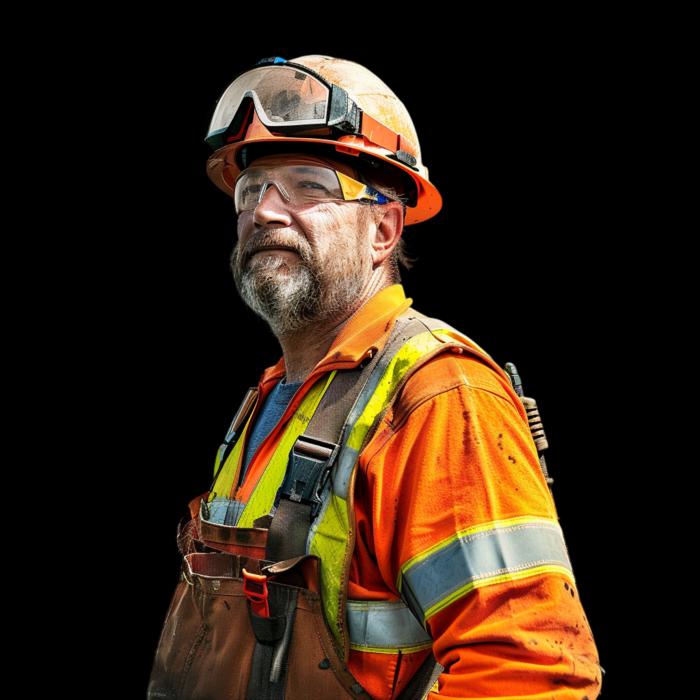
A Road Construction Worker builds and repairs roads, highways, and bridges across Australia. They are part of the civil construction industry, keeping transport networks safe and usable for everyone.
These workers carry out a wide range of tasks each day. They operate heavy machinery, lay asphalt and concrete, set up traffic control measures, and prepare road bases. They follow plans drawn up by engineers and project managers.
Most projects involve teams working together on site. Each worker plays a specific role, from operating a paving machine to shovelling asphalt into tight spots by hand. Physical fitness is important. So is a strong understanding of safety rules.
Road construction is essential work. Australia spends billions each year on road upgrades and new projects. Workers in this field see the direct results of their efforts. They build smooth, safe roads where there were none before.

Career snapshots For Road Construction Workers
What will I do?
What skills do I need?
Road Construction Workers need a mix of physical capability and practical knowledge to do the job safely and well.
Physical stamina and strength are essential. Workers lift heavy materials, operate machinery, and stand for long periods in all weather. A strong understanding of WHS rules is non-negotiable. Safety on a live construction site protects both the crew and the public.
Workers must be able to read and follow site plans and engineering drawings. They need good teamwork skills to work in a crew alongside engineers, plant operators, and labourers. Attention to detail matters when laying road surfaces, since small errors can affect the finished road. Problem-solving skills help workers deal with unexpected ground conditions and site changes.
Skills/attributes
Resources
CourseFinder makes every effort to ensure the information we provide is correct at the time of publication. We welcome your input to help keep our career profiles as accurate and up to date as possible. All queries and feedback will be taken into consideration as we conduct periodic reviews of our content. Add your voice to the conversation!





About the author

Laura Atkinson is an Account Management and SEM specialist at Course Finder Group with six years' experience in the Australian education sector. She works day to day with universities, TAFEs and independent training providers, which gives her a close view of how courses map to real career outcomes. She writes practical guidance on career pathways, choosing the right qualification and what to expect when moving into a new field.

CourseFinder helps you discover and enroll in top courses from Australia’s leading providers, making it easy to kick-start or continue your career journey.
Follow Us


© 2026 CourseFinder Australia Pty Ltd, All Rights Reserved