How to Become a Photojournalist: Australian Careers in Photography and Film
1 Course

On this page
What is a Photojournalist?
What will I do?
What skills do I need?
Resources
What is a Photojournalist?
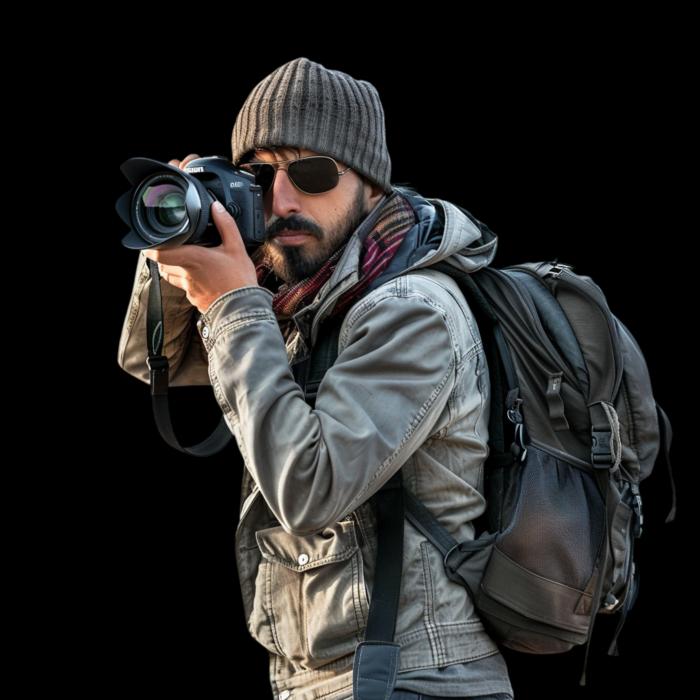
A photojournalist uses images to tell news stories. They capture photographs that inform the public about events, social issues, and human experiences. Photojournalists work in fast, varied settings. They cover city streets and remote locations, ready to document events as they happen.
Their work goes beyond taking pictures. They research stories, work to tight deadlines, and work with editors and reporters. They select the best images from each shoot and write captions that give context to their photographs.
Day-to-day tasks include covering press conferences, live events, and community stories. Travel is common, and photojournalists must adapt quickly to new settings. Finding the right moment and framing it well is central to the role.
Photojournalism is a career for people who want to make a difference through visual work. Strong images can shift public opinion, highlight injustice, and give voice to those who might otherwise go unnoticed. It is a demanding but meaningful job.

Career snapshots For Photojournalists
What will I do?
What skills do I need?
A photojournalist needs a solid mix of technical and editorial skills. Strong camera operation and photo editing are the foundation, but news sense is just as important. You need to know what makes an image newsworthy and how to capture it under pressure.
Good communication helps in the field. You will deal with subjects, publicists, editors, and reporters every day. Writing skills matter too, as you write captions and sometimes short articles. Ethical judgement keeps your work accurate and fair, which is key for maintaining trust with both subjects and audiences.
Skills/attributes
Resources
NATIONAL
QLD
VIC
WA
SA
NT
ACT
TAS
- MEAA Media — union and professional body for Australian journalists
- Australian Press Council — press standards and ethical guidelines
- The Walkley Foundation — journalism training, awards, and professional development
- Australian Photographic Society — photography community, exhibitions, and learning
- Your Career — Photographer occupation profile (Australian Government)
CourseFinder makes every effort to ensure the information we provide is correct at the time of publication. We welcome your input to help keep our career profiles as accurate and up to date as possible. All queries and feedback will be taken into consideration as we conduct periodic reviews of our content. Add your voice to the conversation!


About the author

Laura Atkinson is an Account Management and SEM specialist at Course Finder Group with six years' experience in the Australian education sector. She works day to day with universities, TAFEs and independent training providers, which gives her a close view of how courses map to real career outcomes. She writes practical guidance on career pathways, choosing the right qualification and what to expect when moving into a new field.

CourseFinder helps you discover and enroll in top courses from Australia’s leading providers, making it easy to kick-start or continue your career journey.
Follow Us


© 2026 CourseFinder Australia Pty Ltd, All Rights Reserved