How to Become a Nanny: Australian Careers in Early Childhood Education
0 Course

On this page
What is a Nanny?
What will I do?
What skills do I need?
Resources
What is a Nanny?
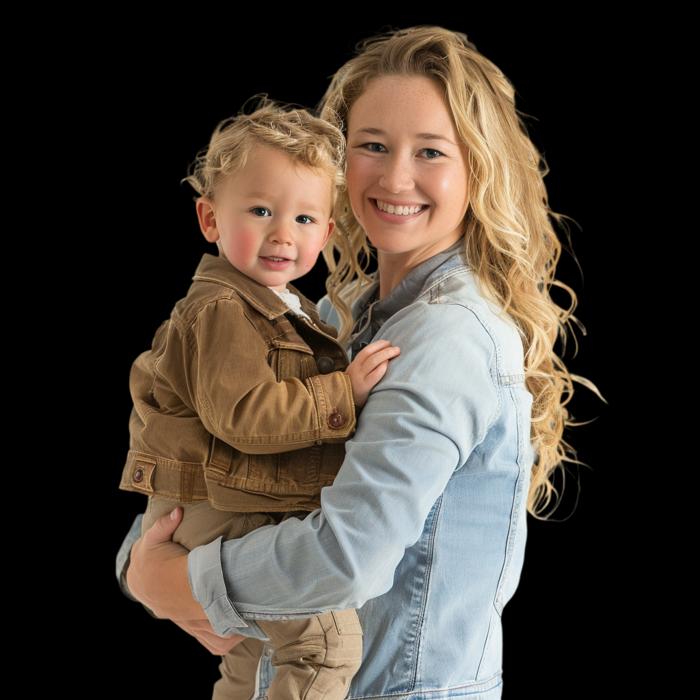
A nanny cares for children in their family’s home, typically on a full-time or part-time basis. The role goes beyond basic supervision. Nannies support a child’s development through structured play, learning activities and consistent daily routines.
Day-to-day tasks include preparing meals, running hygiene routines, managing behaviour and transporting children to school or activities. Nannies also plan and lead age-appropriate games, crafts and educational projects. No two days look the same, which suits people who enjoy variety and working directly with children.
Most families look for nannies who hold a Certificate III in Early Childhood Education and Care (CHC30121). A valid Working with Children Check is also required. First aid certification is standard. These qualifications show families that a nanny has the knowledge and screening to care for their children safely.
Around 7,100 nannies work in Australia, with 78% in part-time roles (Jobs and Skills Australia, 2025). The role suits people who are patient, creative and committed to making a positive difference in children’s lives. It can also be a stepping stone into formal early childhood education careers.

Career snapshots For Nannys
What will I do?
What skills do I need?
A good nanny needs strong communication skills to work well with both children and parents. Clear, regular updates help families feel confident that their child is in safe hands. Active listening and empathy are just as important. Nannies need to tune in to how a child is feeling.
Practical skills matter too. Nannies need to plan and run age-appropriate activities, prepare nutritious meals and maintain safe hygiene routines. A background in child development helps nannies spot key milestones and respond well to challenging behaviour. First aid knowledge, including CPR, rounds out the core skill set.
Skills/attributes
Resources
NATIONAL
QLD
VIC
WA
NT
ACT
TAS
CourseFinder makes every effort to ensure the information we provide is correct at the time of publication. We welcome your input to help keep our career profiles as accurate and up to date as possible. All queries and feedback will be taken into consideration as we conduct periodic reviews of our content. Add your voice to the conversation!


About the author

Laura Atkinson is an Account Management and SEM specialist at Course Finder Group with six years' experience in the Australian education sector. She works day to day with universities, TAFEs and independent training providers, which gives her a close view of how courses map to real career outcomes. She writes practical guidance on career pathways, choosing the right qualification and what to expect when moving into a new field.

CourseFinder helps you discover and enroll in top courses from Australia’s leading providers, making it easy to kick-start or continue your career journey.
Follow Us


© 2026 CourseFinder Australia Pty Ltd, All Rights Reserved