CourseFinder logo – Australia’s leading course comparison site

Select Industry

Courses by Study Type

Career Advice

How to Become a Medical Photographer: Australian Careers in Medical

0 Course

Icon
How to Become a Medical Photographer: Australian Careers in Medical

Sorry, we don't have any courses leading to a career as a Medical Photographer for you at the moment. Please try searching again.

On this page

What is a Medical Photographer?

What will I do?

What skills do I need?

Resources

What is a Medical Photographer?

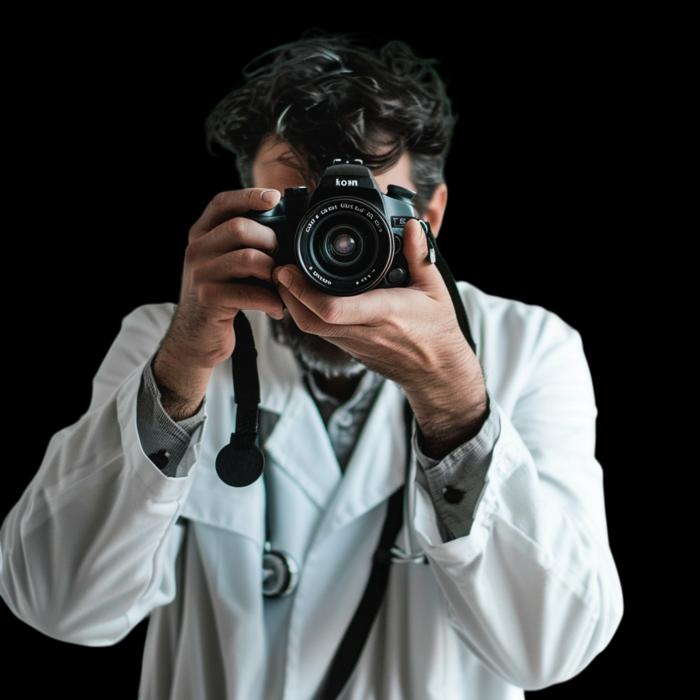
The career of a Medical Photographer is a fascinating blend of artistry and science, dedicated to capturing the intricate details of medical conditions, procedures, and treatments through photography. These professionals play a crucial role in the healthcare system, providing visual documentation that aids in clinical assessments, research, and education. By utilising advanced photographic techniques, they create images that are not only informative but also sensitive to the needs of patients and healthcare providers alike.

Medical photographers are responsible for documenting patients at various stages of illness, as well as the processes involved in surgical procedures. Their work often takes them into operating rooms, clinics, and wards, where they must adhere to strict protocols regarding patient privacy and consent. This role requires a deep understanding of both photographic principles and medical terminology, enabling them to communicate effectively with healthcare professionals. They may also engage in post-processing tasks, using digital imaging software to enhance and prepare images for publication in scientific journals or educational materials.

In addition to still photography, many medical photographers are increasingly involved in video production, capturing surgical procedures for telemedicine and educational purposes. This evolving aspect of the role allows them to contribute to the growing field of medical communication, where visual content is essential for training and public awareness. The career offers a unique opportunity to work at the intersection of healthcare and technology, making a meaningful impact on patient care and medical education.

Icon

Career snapshots For Medical Photographers

Medical photography is a specialised field that focuses on the documentation of clinical presentations, medical procedures, and specimens. This profession requires a unique blend of technical skill and medical knowledge, making it essential for effective communication in healthcare settings.

  • Average Age: Typically ranges from 30 to 50 years.
  • Gender Distribution: Predominantly female, with a significant number of male professionals as well.
  • Hours per Week: Generally, medical photographers work around 40 hours per week, with some flexibility for on-call duties.
  • Average Pay: The average salary for medical photographers in Australia is approximately AUD 70,000 to AUD 90,000 per year.
  • Unemployment Rate: The unemployment rate in this field is relatively low, around 3%.
  • Employment Numbers: There are approximately 1,500 medical photographers employed across Australia.
  • Projected Growth: The profession is expected to grow by 10% over the next five years, driven by advancements in medical technology and the increasing need for visual documentation in healthcare.

Medical photographers play a crucial role in enhancing the understanding of medical conditions and procedures through visual documentation. Their work supports clinical education, research, and public awareness, making it an integral part of modern healthcare.

What will I do?

Medical photographers play a crucial role in the healthcare industry by capturing detailed images of patients, medical procedures, and specimens. Their work not only aids in clinical documentation but also contributes to research, education, and the publication of scientific findings. With a blend of technical skill and a deep understanding of medical principles, medical photographers ensure that their images are accurate and informative, while also maintaining patient privacy and comfort.

  • Patient Documentation – Capture high-quality images of patients at various stages of illness or injury for medical records.
  • Surgical Photography – Document surgical procedures in real-time to assist in treatment planning and education.
  • Specimen Imaging – Photograph medical specimens, including those from autopsies and pathology, for analysis and research.
  • Editing and Retouching – Use digital imaging software to edit and enhance photographs while ensuring accuracy in scale and colour balance.
  • Collaboration with Medical Staff – Work closely with healthcare professionals to understand specific photographic needs and ensure compliance with medical protocols.
  • Patient Interaction – Engage with patients to make them comfortable during the photography process, ensuring sensitivity and respect for their privacy.
  • Video Production – Participate in video documentation of procedures and telemedicine sessions, enhancing the educational value of visual materials.
  • Adherence to Regulations – Follow privacy legislation and hospital policies regarding patient consent and the use of medical images.

What skills do I need?

A career as a medical photographer requires a unique blend of technical and interpersonal skills. Professionals in this field must possess a strong foundation in photography, often supported by a degree in the subject, alongside a solid understanding of scientific principles. This includes knowledge of anatomy, physiology, and medical terminology, which enables them to effectively communicate with healthcare professionals and understand the context of their work. Proficiency in digital imaging software is also essential, as medical photographers need to edit and output images while ensuring accuracy in scale and colour balance.

In addition to technical expertise, medical photographers must demonstrate sensitivity and respect for patients, as their work often involves capturing images of individuals in vulnerable situations. Adherence to privacy legislation and ethical standards is crucial, as is the ability to maintain a calm and professional demeanor in high-pressure environments such as operating rooms. As the role evolves to include video production and telemedicine, adaptability and a willingness to learn new technologies are increasingly important for success in this dynamic field.

Skills/attributes

  • Strong technical skills in photography and digital imaging
  • Understanding of photographic and optical principles
  • Knowledge of anatomy and physiology
  • Familiarity with medical terminology
  • Proficiency in digital imaging software for editing and outputting images
  • Ability to work sensitively with patients
  • Respect for privacy legislation and policies
  • Attention to detail to ensure accurate documentation
  • Ability to work in sterile environments and adhere to safety protocols
  • Strong communication skills to collaborate with healthcare professionals
  • Creativity in capturing clinical presentations and procedures
  • Adaptability to various medical settings, including operating rooms and clinics
  • Interest in science and medicine
  • Ability to handle ethical considerations in medical photography

CourseFinder makes every effort to ensure the information we provide is correct at the time of publication. We welcome your input to help keep our career profiles as accurate and up to date as possible. All queries and feedback will be taken into consideration as we conduct periodic reviews of our content. Add your voice to the conversation!