How to Become a Forensic Accounting: Australian Careers in Accounting and Bookkeeping
0 Course


On this page
What is a Forensic Accounting?
What will I do?
What skills do I need?
Resources
What is a Forensic Accounting?
A forensic accountant looks into financial fraud and crime. They use accounting and detective skills to find proof in financial records. Their work backs legal cases, insurance claims, and company inquiries.
The role is hands-on and varied. Forensic accountants check financial files, trace funds, and look at data to spot errors. They work with police, legal teams, and company clients. Their reports and court evidence can change the outcome of cases.
Clear talking is just as key as technical skill. Forensic accountants explain findings to lawyers, judges, and business leaders. They turn data into plain language that non-experts can follow. This mix of data work and clear talking makes the role both tough and rewarding.
Demand for forensic accountants is growing in Australia. Rising fraud and stricter rules are driving the need for experts in this field. Roles are open in accounting firms, government, police, and large companies.

Career snapshots For Forensic Accountings
What will I do?
What skills do I need?
Forensic accounting needs a blend of skills that goes well beyond standard accounting. Sharp data skills are at the core. Forensic accountants must spot patterns and errors in complex financial data. Attention to detail is key, as small mistakes in cases can have large legal results.
Effective communication is equally vital. Forensic accountants present findings to clients, legal teams, and courts. They must turn complex financial data into clear, plain language. Strong ethics are essential given the sensitive nature of the work.
Skills/attributes
Resources
CourseFinder makes every effort to ensure the information we provide is correct at the time of publication. We welcome your input to help keep our career profiles as accurate and up to date as possible. All queries and feedback will be taken into consideration as we conduct periodic reviews of our content. Add your voice to the conversation!






About the author

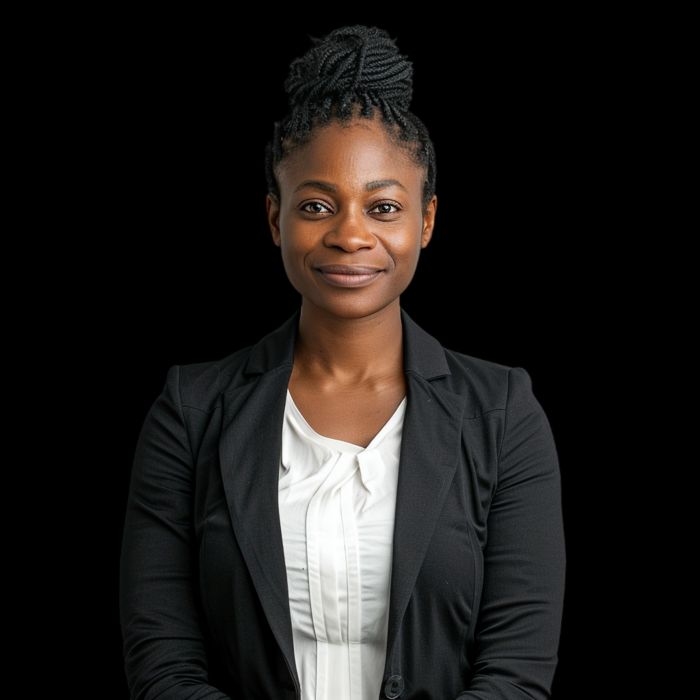
Laura Atkinson is an Account Management and SEM specialist at Course Finder Group with six years' experience in the Australian education sector. She works day to day with universities, TAFEs and independent training providers, which gives her a close view of how courses map to real career outcomes. She writes practical guidance on career pathways, choosing the right qualification and what to expect when moving into a new field.

CourseFinder helps you discover and enroll in top courses from Australia’s leading providers, making it easy to kick-start or continue your career journey.
Follow Us


© 2026 CourseFinder Australia Pty Ltd, All Rights Reserved