CourseFinder helps you discover and enroll in top courses from Australia’s leading providers, making it easy to kick-start or continue your career journey.
Follow Us
© 2026 CourseFinder Australia Pty Ltd, All Rights Reserved
CourseFinder helps you discover and enroll in top courses from Australia’s leading providers, making it easy to kick-start or continue your career journey.
Follow Us


© 2026 CourseFinder Australia Pty Ltd, All Rights Reserved



On this page
What is a Community Development Worker?
What will I do?
What skills do I need?
Resources
A Community Development Worker helps local communities find out what they need and build programs to meet those needs. They work with residents, local councils, non-profit groups, and government bodies to improve health, housing, jobs, and social wellbeing. Their goal is to build stronger, more connected communities where everyone can take part.
Workers spend much of their time working out what a community needs. They talk to residents, run surveys, and liaise with welfare agencies and local government. From this, they plan workshops, events, and training that give people skills and connect them to services.
Day-to-day tasks include running community meetings, developing local programs, and pushing for policy changes that help residents. Workers build ties with businesses, government bodies, and community groups. These ties help programs run well and reach more people.
A career as a Community Development Worker suits people who care about fairness and helping communities thrive. Strong people skills, a care for inclusion, and a willingness to listen are all needed. Those in this role make a real difference to the lives of local people.

Community Development Workers need a mix of people skills and practical abilities. Strong communication is at the top of the list. These workers talk to community members, government bodies, and non-profits every day. They must listen well and explain ideas clearly.
Problem-solving and empathy are just as important. Workers deal with complex social issues and must understand the unique needs of each community. Cultural awareness helps them work well with people from diverse backgrounds. Organisational skills, project management, and a passion for social justice round out the key skill set.
CourseFinder makes every effort to ensure the information we provide is correct at the time of publication. We welcome your input to help keep our career profiles as accurate and up to date as possible. All queries and feedback will be taken into consideration as we conduct periodic reviews of our content. Add your voice to the conversation!
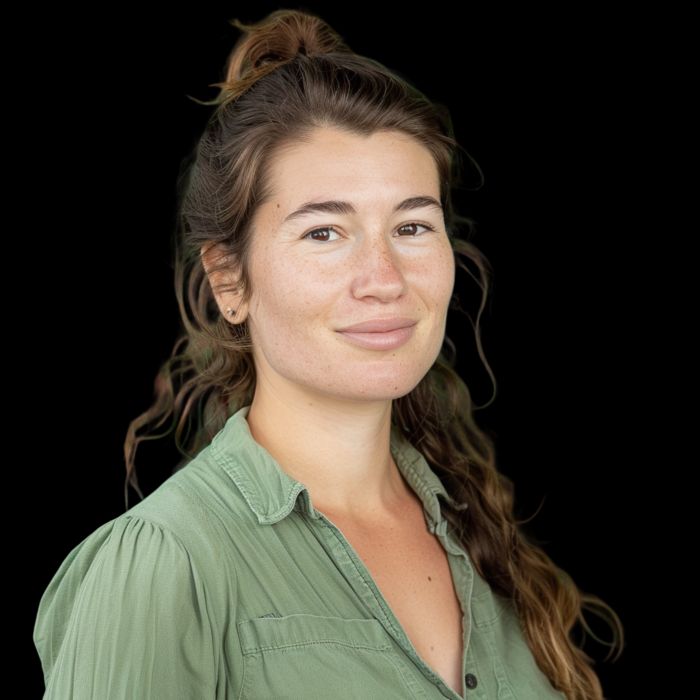
Laura Atkinson is an Account Management and SEM specialist at Course Finder Group with six years' experience in the Australian education sector. She works day to day with universities, TAFEs and independent training providers, which gives her a close view of how courses map to real career outcomes. She writes practical guidance on career pathways, choosing the right qualification and what to expect when moving into a new field.