How to Become a Customs and Border Protection Officer: Australian Careers in Government
0 Course

On this page
What is a Customs and Border Protection Officer?
What will I do?
What skills do I need?
Resources
What is a Customs and Border Protection Officer?
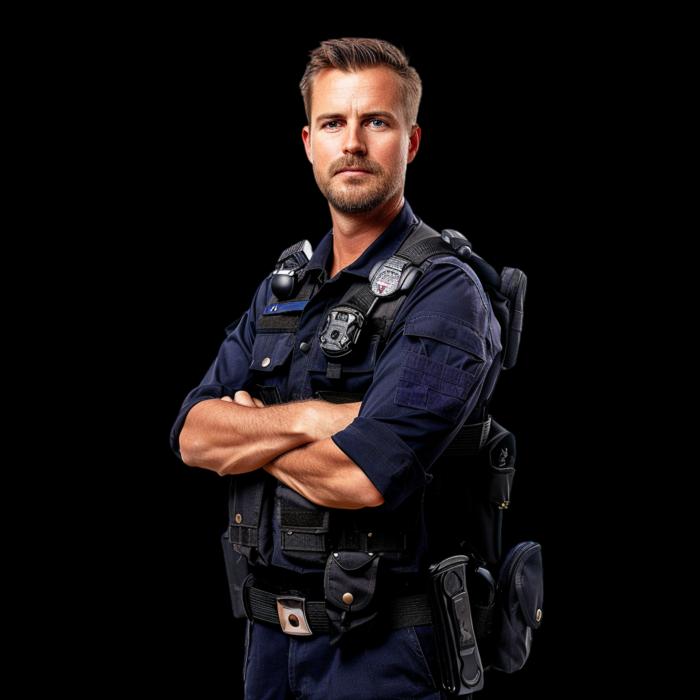
A Customs and Border Protection Officer enforces Australia’s customs, immigration, and biosecurity laws at the border. They work at airports, seaports, and border crossings to stop illegal activity and protect the community. Officers check that people and cargo entering or leaving the country meet all legal rules.
Officers work for the Australian Border Force (ABF), a federal law agency within the Department of Home Affairs. The ABF has around 5,800 employees at over 100 locations across Australia and overseas (ABF, 2024). It was formed on 1 July 2015 under the Australian Border Force Act.
On any given shift, an officer may inspect luggage, scan cargo, review travel papers, or interview passengers. They use x-ray gear, detection dogs, and data systems to find risk. Officers also gather evidence, write reports, and refer cases to partners such as the Australian Federal Police.
This career offers strong job security and a clear path to growth. Officers can move into intelligence, investigations, marine work, or team leadership. The role suits people who value public service, attention to detail, and contributing to national security.

Career snapshots For Customs and Border Protection Officers
What will I do?
What skills do I need?
Customs and Border Protection Officers need a sharp eye and a calm head. They must assess risk quickly, handle unexpected situations, and make sound decisions under pressure. Strong communication skills are vital for interviewing passengers, explaining laws, and working with other agencies.
Officers must also maintain a high level of integrity at all times. They work with vulnerable people and serious offenders alike. Cultural sensitivity and ethical judgement are just as important as technical skills. Physical fitness, attention to detail, and technology skills are all needed for daily tasks.
Skills/attributes
Resources
CourseFinder makes every effort to ensure the information we provide is correct at the time of publication. We welcome your input to help keep our career profiles as accurate and up to date as possible. All queries and feedback will be taken into consideration as we conduct periodic reviews of our content. Add your voice to the conversation!



About the author

Laura Atkinson is an Account Management and SEM specialist at Course Finder Group with six years' experience in the Australian education sector. She works day to day with universities, TAFEs and independent training providers, which gives her a close view of how courses map to real career outcomes. She writes practical guidance on career pathways, choosing the right qualification and what to expect when moving into a new field.

CourseFinder helps you discover and enroll in top courses from Australia’s leading providers, making it easy to kick-start or continue your career journey.
Follow Us


© 2026 CourseFinder Australia Pty Ltd, All Rights Reserved